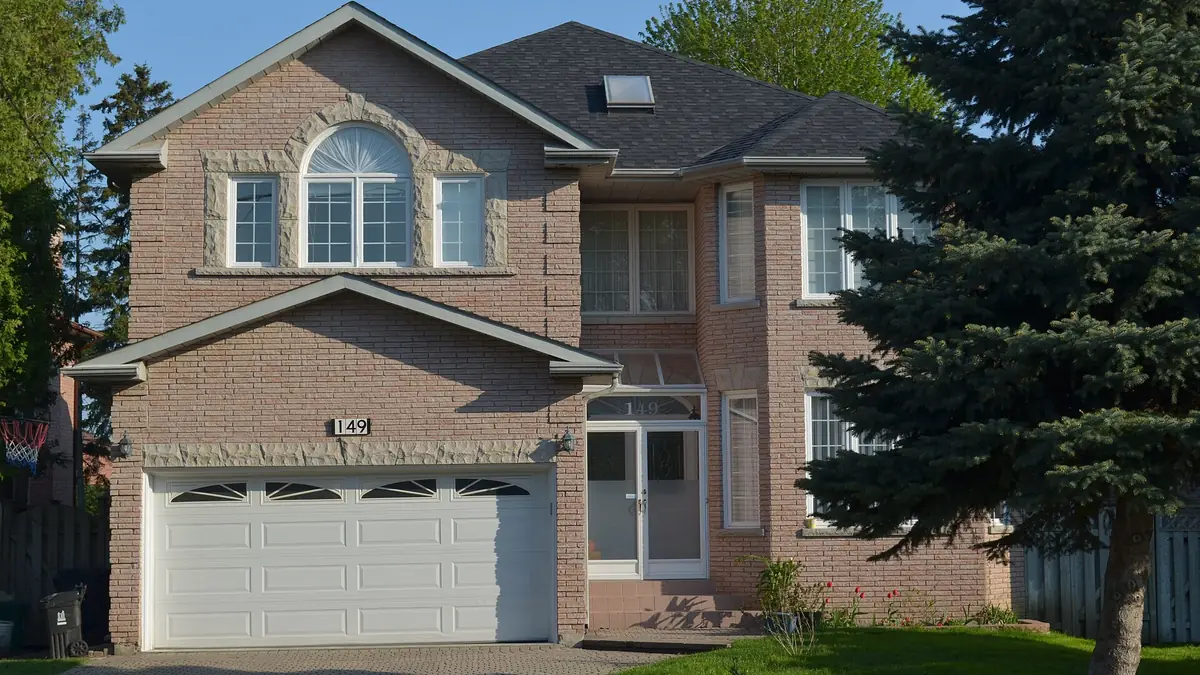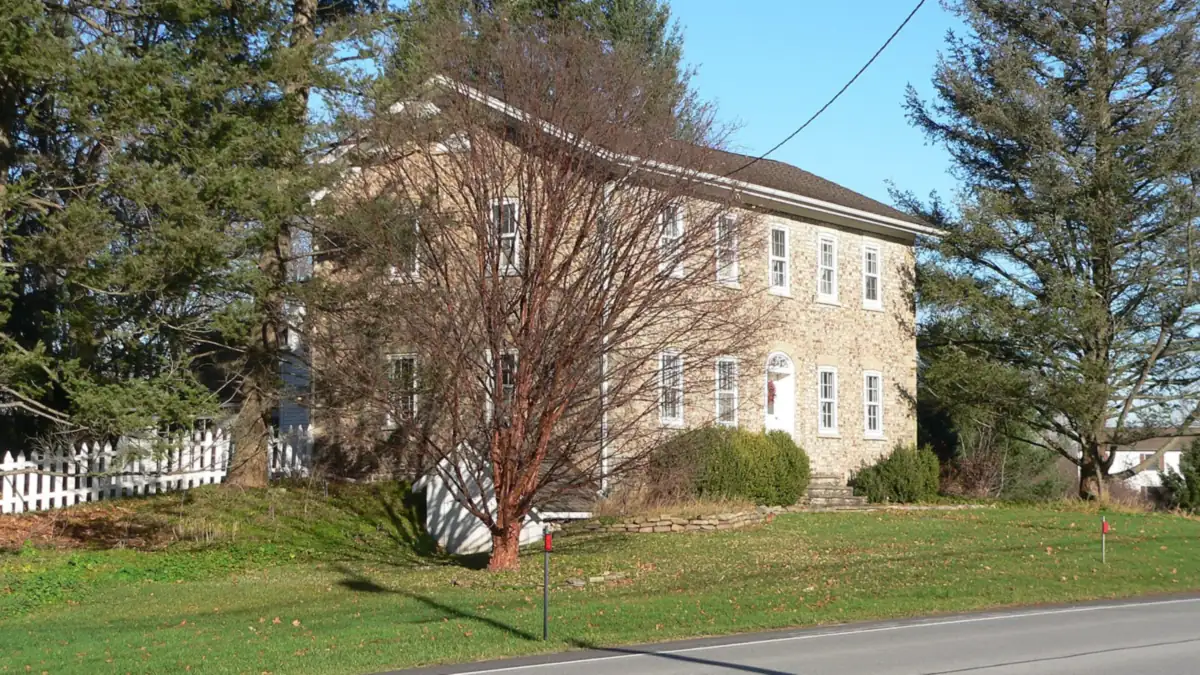
A rural property can offer space, privacy and a very different pace from city living. It can also come with systems that city buyers never think about: a private well for water and a septic system for wastewater. Neither is connected to a municipal service, so you become the operator. This guide covers what to look into before you make or finalize an offer on a home near London, Ontario. It is general information, not a substitute for an inspector, the health unit or your lawyer.
Why wells and septic change the buying process
On municipal water and sewers, the city is responsible for treatment and delivery. On a private well and septic system, the home’s own equipment does the job, and its condition is part of the property you are buying. That means more homework, and in some cases more conditions in your offer. Our guide on choosing an agent for rural, condo and investment properties covers why experience with these properties matters.
Private wells: what to check
Test the water, and test it properly
The Middlesex-London Health Unit says testing for E. coli and total coliforms is free for private residences through the London Public Health Laboratory. The steps are to collect a sample kit from a pick-up location, follow the sampling instructions, and return the sample to a drop-off location on the same day you collect it, though not on statutory holidays. The health unit lists pick-up and drop-off points, including its London office and several libraries and municipal offices around the county, and gives a Public Health Inspector line at 519-663-5317 for questions.
A few points worth knowing:
- Clear, good-tasting water can still contain harmful bacteria, according to the health unit.
- The bacteria test does not cover chemicals or minerals. For those, the health unit directs you to a licensed drinking water testing lab, and fees apply.
- Programs can change, so confirm the current process with the health unit before you plan around it.
Timing matters in a purchase. Ask your REALTOR® to build enough time into any condition so you can take a sample, get results and review them. If a result is concerning, call a Public Health Inspector, as the health unit advises.
Ask about the well itself
Beyond water quality, you want to know about the structure and the equipment. Questions for the seller, which your representative can put in writing:
- When was the well constructed or last serviced, and are there records?
- What pump, pressure tank and treatment equipment (such as filters or softeners) are installed, and how old are they?
- Has the water ever tested poorly, and what was done about it?
- Has the property flooded, or has there been nearby construction? The health unit lists flooding, heavy rain or snowmelt, poor well maintenance and nearby construction among the things that can change water conditions.
A qualified well contractor or home inspector with experience in rural systems can assess the equipment. We cannot tell you what a specific well should cost to repair or replace, so get a professional opinion before you decide.
Septic systems: what to check
Know who is responsible
Ontario.ca states that you are responsible for operating your septic system and points owners to the SepticSmart! booklet for best management practices. It also refers questions about Ontario’s Building Code requirements for septic systems to the Ministry of Municipal Affairs and Housing. In practice, that means checking with the local municipality’s building or permit office is a sensible first step on any property.
Gather the history
Ask the seller and your REALTOR® to find out:
- Whether there is a permit, drawing or other record on file for the current system
- Where the tank and the leaching bed are located on the lot
- When the tank was last pumped and inspected, and whether there are service receipts
- Whether any additions, bedrooms or a pool have been added since the system was installed, since that can change how a system is used and what the local office wants to see
- Any history of backups, slow drains, wet spots or odours
Because most of a septic system is buried, a visual walk-through will not tell you much. Talk to your inspector or a septic professional about what a proper assessment involves for the specific property, including whether the tank needs to be accessed or pumped as part of it, and make sure the arrangement is agreed with the seller in writing in time for your deadline.
Think about the future
Systems do not last forever, and replacing one can be a major project. Talk with a professional about the age and condition of the system and about what the local municipality would require for repairs or replacement. Do not assume that a system that works today is permitted or adequate for tomorrow’s use.
Other rural questions to ask
Wells and septic are the headline items, but rural purchases raise other questions as well:
- Access and services: Is the road publicly maintained, and who clears the snow in winter? What are the options for internet and for heating fuel?
- Property taxes and zoning: Your tax bill depends on the municipality. Our property tax guide explains how billing works in the City of London, and rural areas have their own municipalities, such as Middlesex Centre and Thames Centre.
- Insurance: Speak to an insurance broker early about coverage for a rural property with a well and septic system.
- Land and buildings: Outbuildings, drainage, fences and trees can all affect use and value.
Building your offer around the unknowns
The more unknown systems a property has, the more your offer should protect you. Work with your REALTOR® and lawyer to decide which conditions make sense and how long you need for each. Our list of questions to ask before making an offer is a useful starting point, and our first-time buyer checklist shows where these checks fit in the overall process. Budget for the unexpected as well; see how much money you need to buy a house in Ontario.
Talk to us before you fall in love with a property
If you are looking beyond the city limits, our team can help you compare options and plan your due diligence. Browse our buyer resources or contact us.
Common questions
Is well water testing free in Middlesex County?
The Middlesex-London Health Unit says testing for total coliforms and E. coli is free for private residences through the London Public Health Laboratory. Chemical testing needs a licensed lab, and fees apply. Confirm the current arrangement with the health unit at 519-663-5317.
What does a standard well water test from the health unit check for?
Bacteria: E. coli and total coliforms. It does not tell you about minerals or chemicals, which need separate testing through a licensed drinking water lab.
Who is responsible for maintaining a septic system?
Ontario.ca states that the owner is responsible for operating the septic system, and it points to the SepticSmart! booklet for best practices on maintenance.
Can I make my offer on a rural home conditional on well and septic checks?
Conditions are written into the Agreement of Purchase and Sale. Ask your REALTOR® and lawyer how to word and time them so the checks can be completed before your deadline.
Keep exploring
- London real estate guideHomes, local anchors and what to ask before you buy or sell in London.
- Buy a homeSearch listings and get a home search set up for you.
Sources
Figures and rules were checked against these sources on the date this post was published or last updated.
Not advice. This post is general information only. It is not legal, tax, mortgage or investment advice. Rules and figures change, so confirm the details for your own situation with a qualified professional before acting.
Market data. Any prices quoted are general information for the period stated. They are not an appraisal or an opinion of value for any specific property.