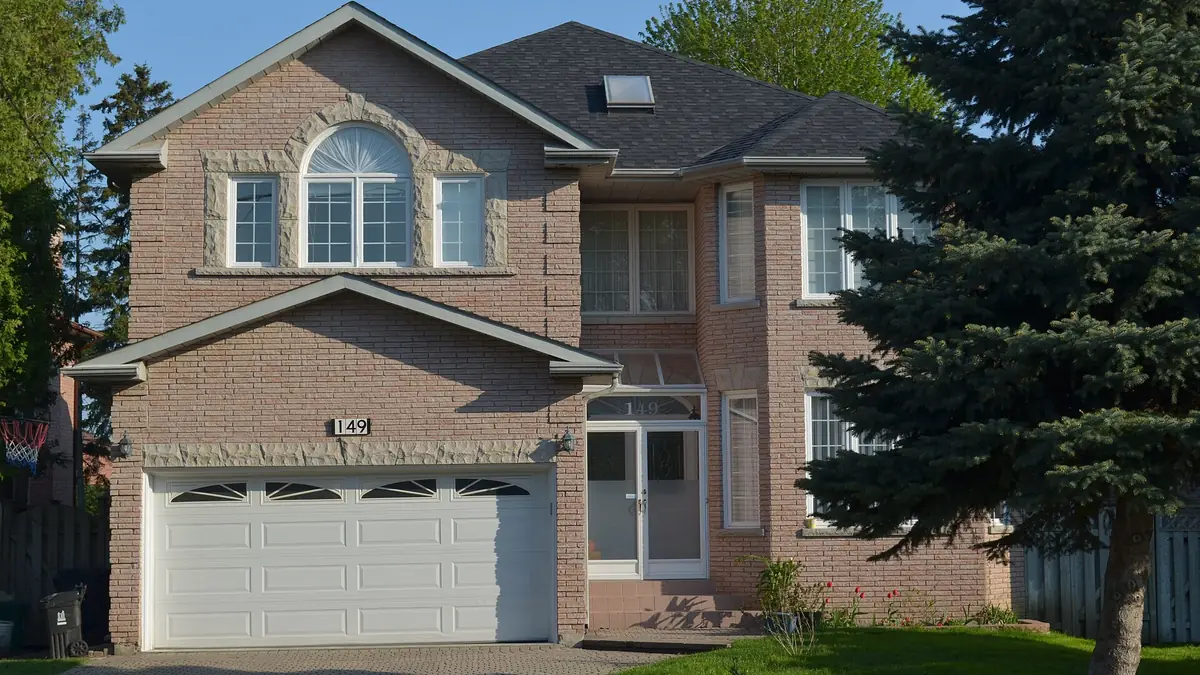
Condo or house is rarely a question of which is better. It is a question of which fits your life, your budget and your tolerance for responsibility. This framework walks through the decision for buyers in London, Ontario without leaning on prices that change from month to month.
Start with how you want to live
Before comparing numbers, answer a few practical questions:
- Do you want a yard, a garage, or the freedom to change your property without approval?
- Would you rather give up outdoor space in exchange for less maintenance?
- How important are shared amenities, if the building has any?
- Are you comfortable living near neighbours and following building rules?
- How long do you plan to stay, and might your needs change, for example with children, pets or working from home?
Your answers often point in a direction before any spreadsheet does.
Ownership: what you actually own
With a freehold house, you generally own the land and building and are responsible for maintaining all of it. With a condominium, you own your unit and share ownership of common elements through the condo corporation. The corporation maintains those shared areas, funded by owners, and the building has a declaration, by-laws and rules that you agree to follow. That structure is why the paperwork matters so much.
Monthly costs: look beyond the mortgage
For a condo, monthly common expense fees are an ongoing cost. The Condominium Authority of Ontario (CAO) directs buyers to learn about common expenses and reserve funds before they buy. What the fees include differs between buildings, so read the budget rather than assuming.
For a house, there is no condo fee, but you save for the maintenance yourself: roof, furnace, windows, driveway, appliances and everything else. It helps to set aside money for repairs and replacements even when nothing is wrong yet. Property taxes apply to both types of home, and our London property tax guide explains how billing works.
A useful exercise is to price both options on a monthly basis: mortgage payment, property tax, insurance, utilities, and then fees for a condo or a maintenance allowance for a house. Do it with real listings and quotes, not rules of thumb.
The status certificate: your main due diligence tool
When you buy a resale condo, the status certificate is the document you rely on most. The CAO describes it as a document about the unit and the corporation to help buyers make informed decisions, and it recommends reviewing it with legal counsel. According to the CAO, a certificate may include:
- the declaration, by-laws and rules
- the budget and audited financial statements
- a statement on the most recent reserve fund study and the state of the reserve fund
- whether the unit is in arrears
- any outstanding judgments against the corporation, or ongoing litigation
The CAO also says a corporation can charge up to $100 including taxes and must provide the certificate within 10 days. The Authority cites section 76 of the Condominium Act for the required contents. Your lawyer will review the certificate, and many buyers make their offer conditional on a satisfactory review. Conditions and deadlines are written into the Agreement of Purchase and Sale, so ask your lawyer how to handle the timing. See our questions to ask before making an offer.
What to look for with your lawyer
- Is the reserve fund healthy relative to the building’s age and the work it will need?
- Has the corporation been planning for repairs, or relying on special assessments?
- Are there lawsuits, or are many owners behind on fees?
- Do the rules allow how you plan to live, for example pets, renting out your unit or renovations?
The CAO’s pages on reserve funds and reserve fund studies explain the concept in more depth.
Insurance
Insurance works differently for condos and houses. With a house you insure the building and your belongings. With a condo, the corporation insures certain parts of the building, and you insure what is your responsibility. The split depends on the building’s documents, so ask an insurance broker and your lawyer to explain it before you buy, rather than assuming.
Flexibility, resale and rules
- Renovating: In a house you decide, subject to permits and municipal rules. In a condo, changes may require approval and some parts of the building belong to the corporation.
- Renting out: Check the building’s rules if you ever plan to rent your unit.
- Resale: Both types depend on location, condition and the market at the time you sell. We do not make price predictions. For what has been happening locally, see our September 2026 market report.
- New construction: If you are considering a new home or a pre-construction condo, our new build and Tarion guide and new home construction page explain how the warranty works.
A simple decision framework
- Rank what matters: space, maintenance, location, budget, amenities, flexibility.
- Compare real monthly costs for specific homes, including fees or a maintenance reserve.
- Study the paperwork: for condos, the status certificate; for houses, the inspection.
- Test the neighbourhood at different times of day. Our London real estate community guides can help you narrow down areas.
- Get cash flow right: see how much money you need to buy a house in Ontario, which applies equally to a condo purchase.
- Plan your next move: if you may sell in a few years, consider how easy each option will be to sell.
Need a second opinion?
The right answer is personal. Our team can walk through both options with you, or help you start your search on our buyer page. If you already own and want to know your current position, request a home valuation or contact us.
Common questions
What is a status certificate?
It is a document about a resale condo unit and its corporation. According to the Condominium Authority of Ontario, it can include the declaration, by-laws and rules, the budget and financial statements, the reserve fund study summary, and whether the unit has arrears or the corporation faces litigation.
How much does a status certificate cost?
The Condominium Authority of Ontario says a corporation can charge up to $100 including taxes and must provide it within 10 days. Rush options may cost more. Confirm current rules with your lawyer.
Do condo fees cover everything?
No. Common expenses fund shared costs, but what they include differs from building to building. Check the status certificate and your lawyer's review to see what is and is not covered.
Do I still need insurance if I own a condo?
Speak to an insurance broker before you buy. What the corporation insures and what you must insure yourself depends on the building's documents, so ask for guidance before you finalize the purchase.
Keep exploring
- London real estate guideHomes, local anchors and what to ask before you buy or sell in London.
- Buy a homeSearch listings and get a home search set up for you.
Sources
Figures and rules were checked against these sources on the date this post was published or last updated.
Not advice. This post is general information only. It is not legal, tax, mortgage or investment advice. Rules and figures change, so confirm the details for your own situation with a qualified professional before acting.
Market data. Any prices quoted are general information for the period stated. They are not an appraisal or an opinion of value for any specific property.