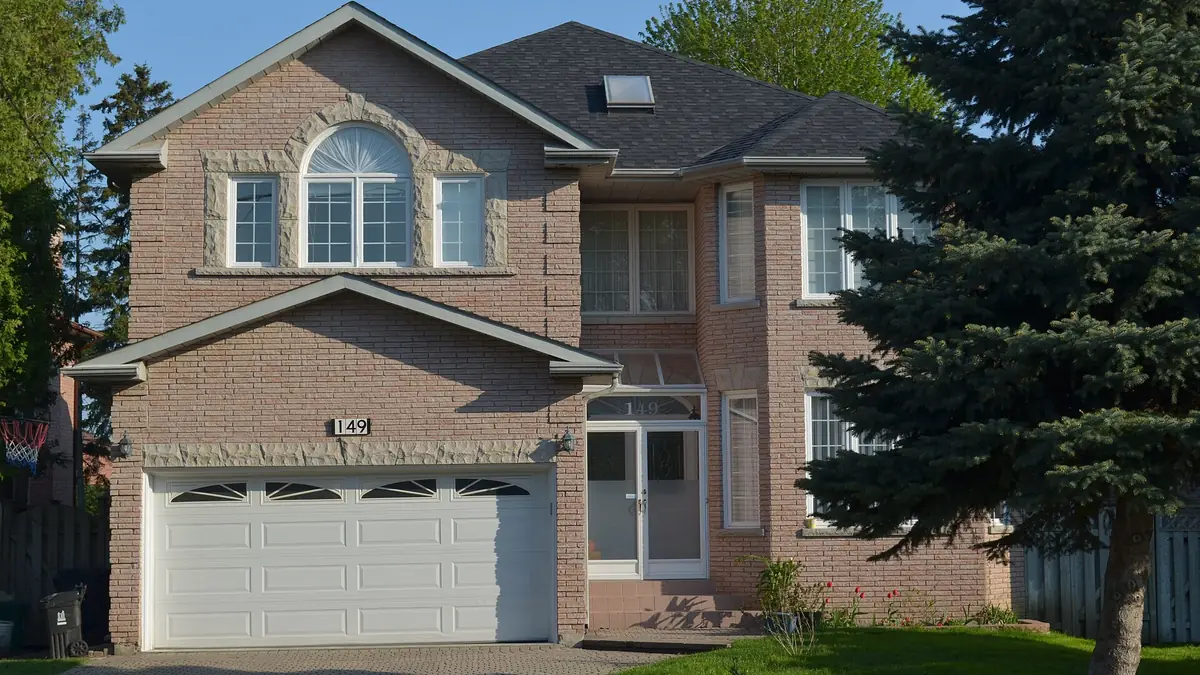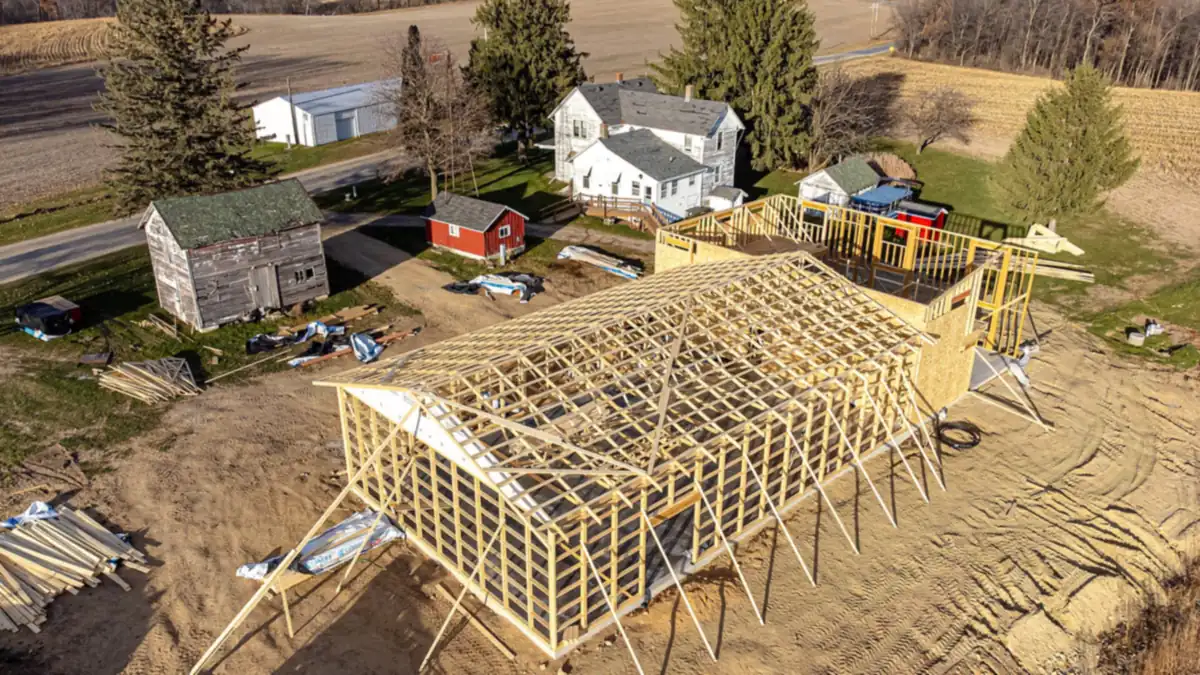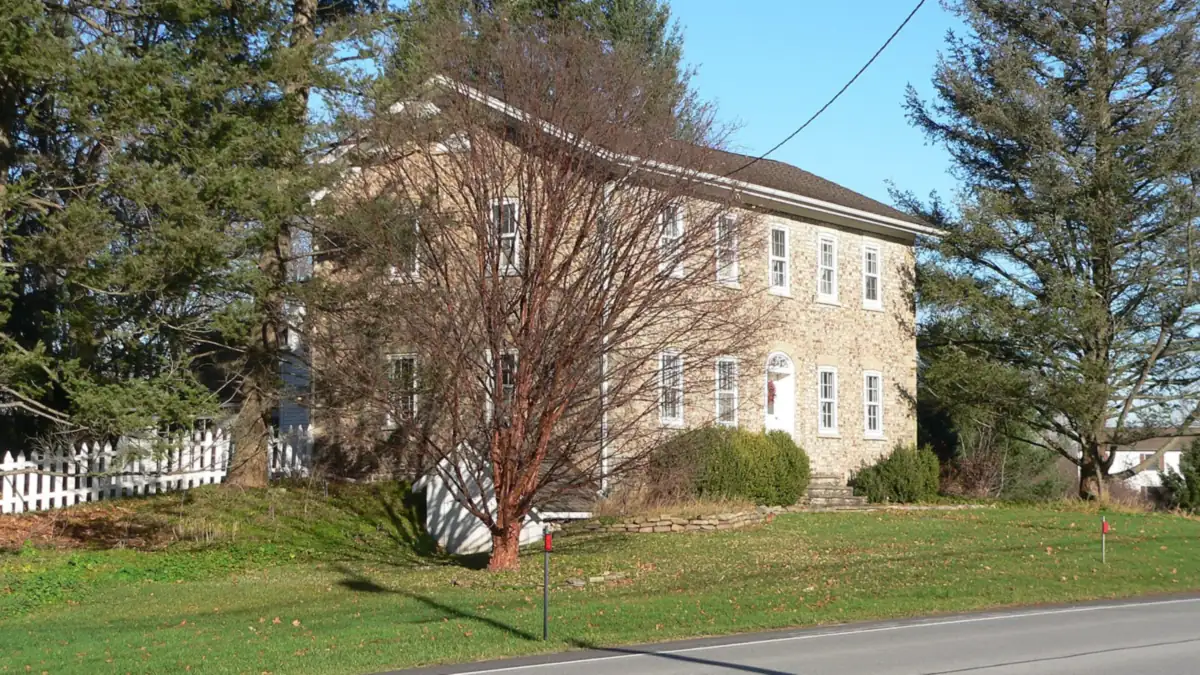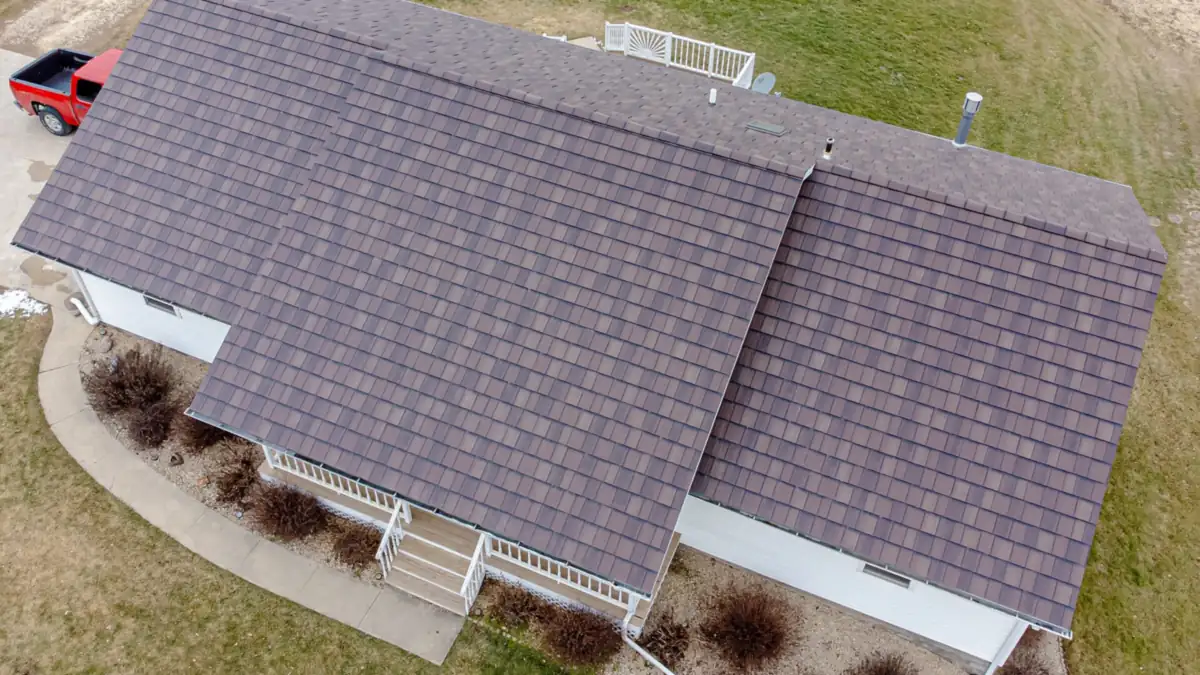
A home is likely the largest purchase most people make, and you will not see inside its walls, under its floors or on top of its roof when you tour it at an open house. A home inspection is a way to bring in a trained set of eyes before you are committed. This guide explains what an inspection generally covers, the problems worth taking seriously and how to use the results.
What a home inspection is
A home inspection is a visual, non-invasive review of the home’s major systems and structure, done by a professional inspector, with a written report and usually photographs. The inspector does not open walls or dig up the yard. They look at what is visible and accessible and tell you what they see, what looks like it needs attention and what should be examined further.
An inspection is not an appraisal, which estimates value for a lender, and it is not a guarantee that nothing will go wrong. It is a snapshot of the home on the day of the visit.
We are not going to make claims about licensing requirements for inspectors in Ontario, because we could not confirm the current rules from an official source while writing this. Ask any inspector you are considering about their training, experience, insurance and sample reports, and ask for a written agreement that describes the scope of the inspection.
What an inspector typically looks at
- Structure and foundation: the basement or crawl space walls and floor, visible framing, and signs of settlement.
- Roof: shingles or other covering, flashing, and the condition of eaves and venting where it can be seen.
- Exterior: siding, brick, windows, doors, grading, decks and porches, driveway and walkways.
- Plumbing: visible supply and drain lines, fixtures, water heater, water pressure, and signs of leaks.
- Electrical: the panel, visible wiring, outlets and switches, and safety devices.
- Heating and cooling: furnace or other heating, air conditioning, ducts and the age of major equipment.
- Attic and insulation: insulation, ventilation and signs of moisture.
- Interior: floors, walls, ceilings, stairs, railings, and windows and doors.
Many buyers attend the inspection, and we recommend it. Hearing the inspector explain what is routine maintenance and what is a real concern is worth the time.
Red flags worth taking seriously
Every older home has some wear. These are the areas where we encourage buyers to pay particular attention.
Foundation
Look for cracks that are wide, growing, stair-stepped or accompanied by bowing walls or doors and windows that stick. Hairline cracks are common, but a larger crack calls for follow-up, usually by a structural specialist.
Roof
Curling, missing or heavily worn shingles, sagging, or stains on upper-floor ceilings point to a roof that may need work soon. Ask for the roof’s age and any repair records. Replacing a roof is a significant expense, so it is worth knowing before you buy.
Electrical
Outdated or overloaded panels, scorch marks, buzzing, exposed or amateur wiring and a lack of grounded outlets deserve attention. Electrical issues are safety matters, so follow any recommendation for a licensed electrician’s review.
Plumbing
Slow drains, low pressure, corroded pipes, dripping under sinks and stains around fixtures all suggest a plumbing problem. A leak in a wall can do significant damage before it is noticed.
Moisture and water entry
Stains, a musty smell, peeling paint, efflorescence on basement walls, and soft or discoloured wood are signs that water may be getting in. Poor grading, blocked gutters and downspouts that discharge next to the foundation are common culprits and often inexpensive to fix, but moisture can also indicate a larger problem that needs further investigation.
Heating and ventilation
An old furnace or water heater is not a deal-breaker, but you should know its age and plan for replacement. Poor attic ventilation and insulation can shorten the life of a roof and raise your energy costs.
Special situations
- Wells and septic systems: For rural homes, specialized testing and inspection of the water supply and septic system are separate from a general home inspection. Ask your REALTOR® about what is appropriate.
- Condominiums: You are buying a unit, with common elements managed by the corporation. Your lawyer reviews the status certificate, and an inspection of the unit itself can still be helpful. See our questions to ask before making an offer.
- New builds: An inspection can find deficiencies, and Tarion warranty coverage applies separately. Read our Tarion guide.
How an inspection fits with your offer
Whether you make your offer subject to an inspection, how long you have to complete it, and what happens if it reveals a problem are all matters of the contract. Conditions are set in the APS; ask your lawyer. Before you write an offer, talk to your REALTOR® about your options and have your lawyer review the Agreement of Purchase and Sale.
Because the deadlines in an offer are real, it helps to line up an inspector in advance, so you can book one quickly if your offer is accepted. Our guide on how to find an agent you can trust explains what to expect from your REALTOR® throughout the process.
Using the report
- Read the whole report, not only the summary.
- Separate safety issues, major repairs, and routine maintenance.
- Get quotes for anything expensive before you make decisions.
- Talk to your REALTOR® and lawyer about your options under your agreement.
- Keep the report; it is a useful baseline for maintenance planning after you move in.
What it costs and what it saves
We are not quoting inspection prices, because fees vary by inspector, home size and location. Ask for a quote up front. Compared with the price of a home, the fee is small, and the information can shape your negotiation, your budget for repairs or your decision to walk away.
Next steps
If you are starting your search, read our buyer guide, and ask us about reputable inspectors; we are happy to share how buyers typically find and vet them. If you are also selling, a pre-listing check of the same items can help you avoid surprises. Request a free home valuation or contact us.
Common questions
What does a home inspection cover?
Generally, an inspector looks at the visible and accessible parts of the home: structure and foundation, roof, exterior, plumbing, electrical, heating and cooling, insulation and ventilation, and interior finishes. The scope should be spelled out in your inspector's written agreement.
Do I need an inspection for a new build?
Many buyers still choose one, and a new build also comes with Tarion warranty coverage. The two serve different purposes, so ask your REALTOR® and lawyer which steps make sense for your purchase.
Is an inspection a condition of my offer?
Conditions are set in the Agreement of Purchase and Sale; ask your lawyer. Your REALTOR® can explain the options before you sign.
What if the inspection finds problems?
Your REALTOR® and lawyer can help you decide your options based on what your Agreement of Purchase and Sale says. Get quotes from qualified tradespeople for anything significant.
Keep exploring
- Buy a homeSearch listings and get a home search set up for you.
Sources
Figures and rules were checked against these sources on the date this post was published or last updated.
Not advice. This post is general information only. It is not legal, tax, mortgage or investment advice. Rules and figures change, so confirm the details for your own situation with a qualified professional before acting.
Market data. Any prices quoted are general information for the period stated. They are not an appraisal or an opinion of value for any specific property.